 Docent
"We do not keep these thingsbecause they are old.We keep them becausethey are still speaking."
— Esperanza Runningwater, Río Salado Elder Council, 1998
Lorraine Swiftwind
Traditional Weaver, Río Salado Nation
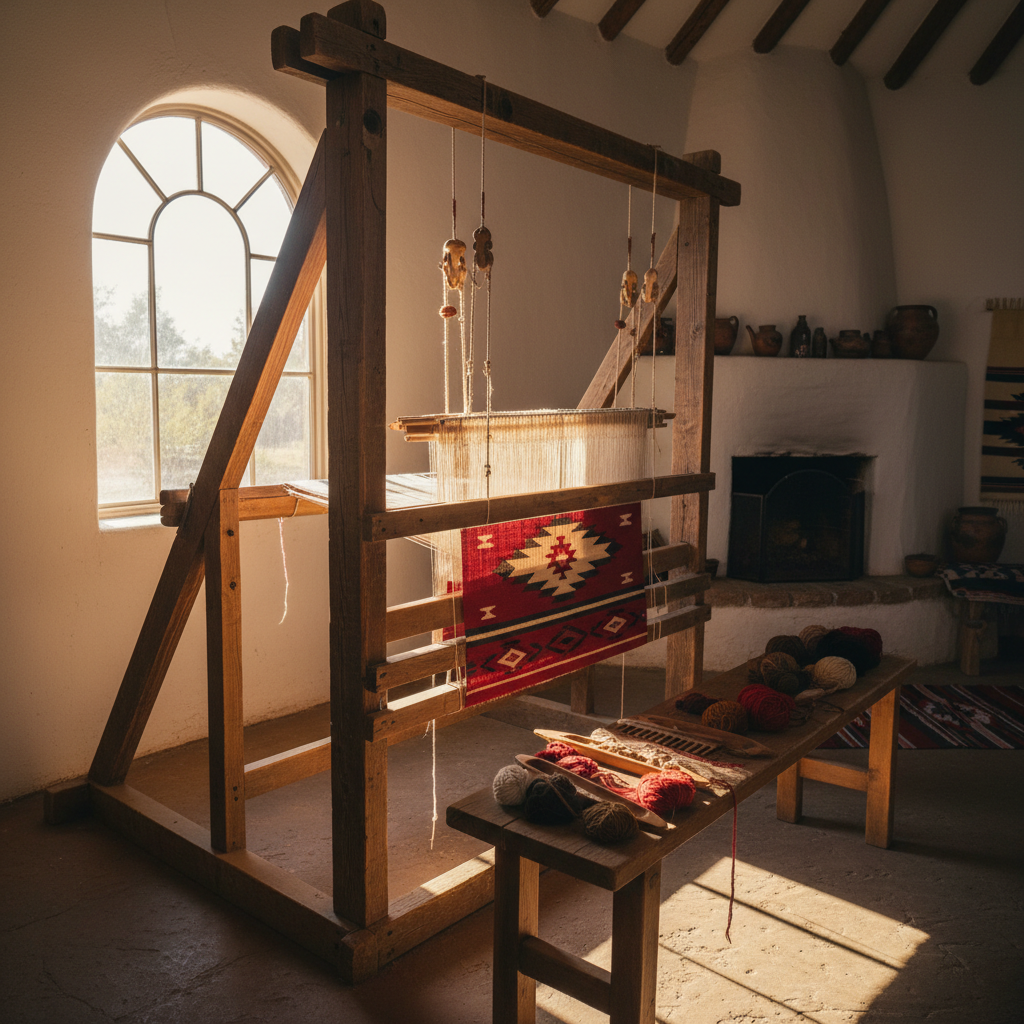
The loom remembers what the hands forget.
"When I sit at this loom — the one my great-grandmother's sister built — my hands already know where to go. That is not muscle memory. That is transmission."
The loom in Room One was not donated. It walked in. Lorraine brought it herself, carried it from her truck in three pieces, and reassembled it on the gallery floor while the curator watched. It has been on permanent loan ever since. On the third Saturday of each month, Lorraine sits beside it and weaves. Visitors are welcome to ask one question. Most ask the same one: how long does it take? Her answer is always the same: longer than you have, but not as long as it took to learn.
Thomas Begay
Head Curator, Docent Cultural Center
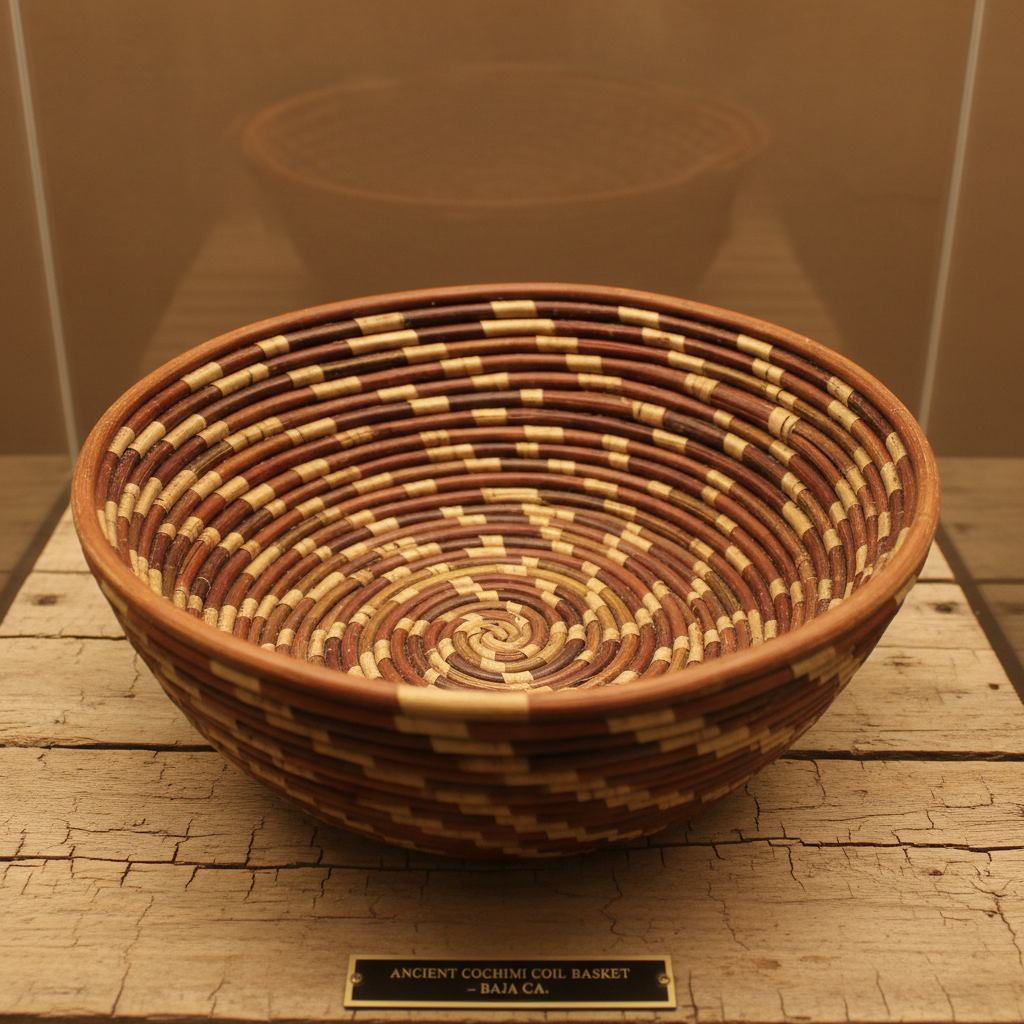
This particular basket. Not baskets in general.
"Every museum has baskets. We have this basket — the one Yolanda Morningstar made the winter her husband was ill, the one she sold to pay for his medicine, the one that found its way back to us forty years later through a yard sale in Tucson."
Thomas has been curator for nineteen years. He keeps a running log of every object's provenance — not just who owned it, but what was happening in the owner's life when they made it or sold it or gave it away. Catalog 1988.14.A has seven entries. The most recent was added last spring, when Yolanda's granddaughter came in on a Tuesday and recognized the stitching pattern. She stayed for four hours. She taught Thomas a word for the center spiral that he has since added to the label.
Marisol, age 7
Third Grade, Mesa Verde Elementary
"The pot had a face. I drew it."
"It looked like my abuela's hands. Round and smooth at the top but bumpy at the bottom where she holds things."
Every school year, 340 children from eleven districts visit Docent on field trips. We give each child a blank card and a pencil and ask them to draw the object that spoke to them. Marisol's drawing of the Ancestral Puebloan seed jar — catalog number 1974.22.B — now hangs beside the original in Room Three. The jar is 900 years old. The drawing is two.
340
Students per year
11
School districts
900
Year-old artifact
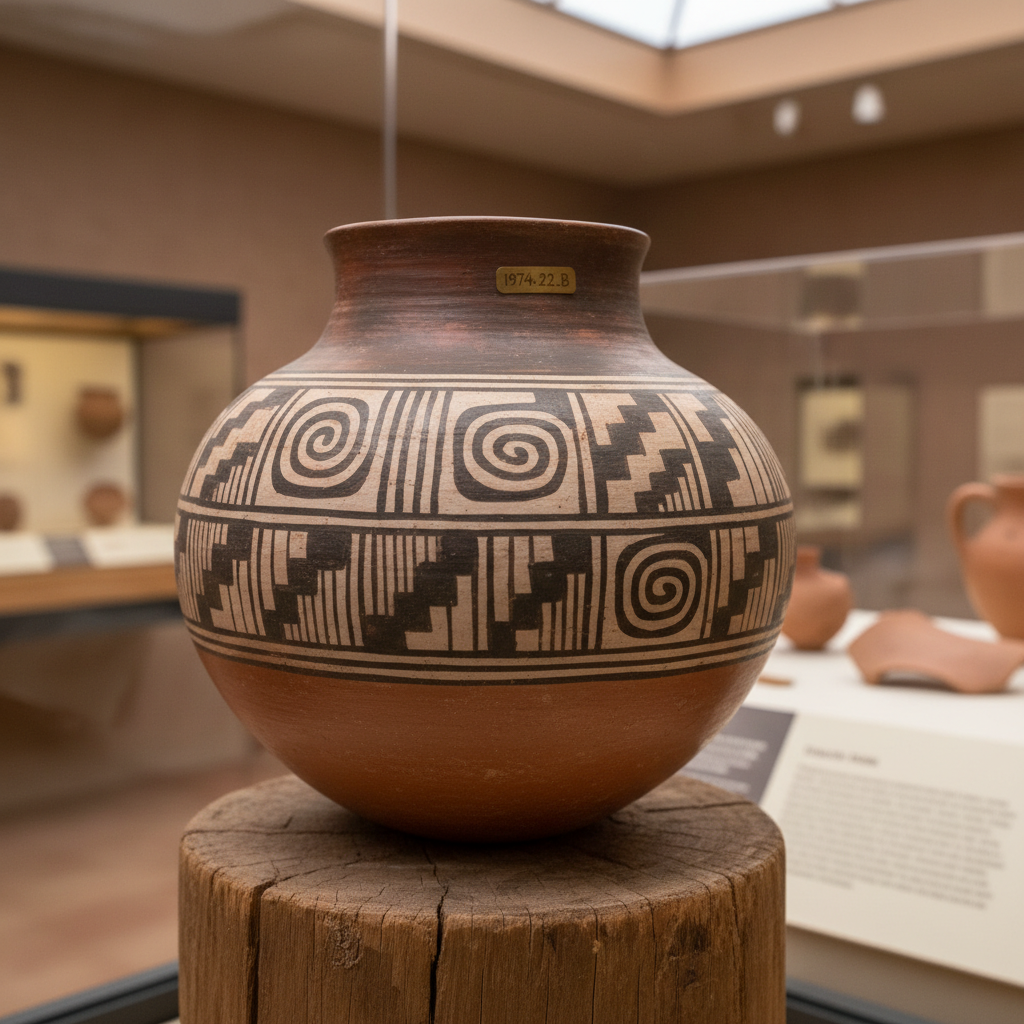
Catalog 1974.22.B
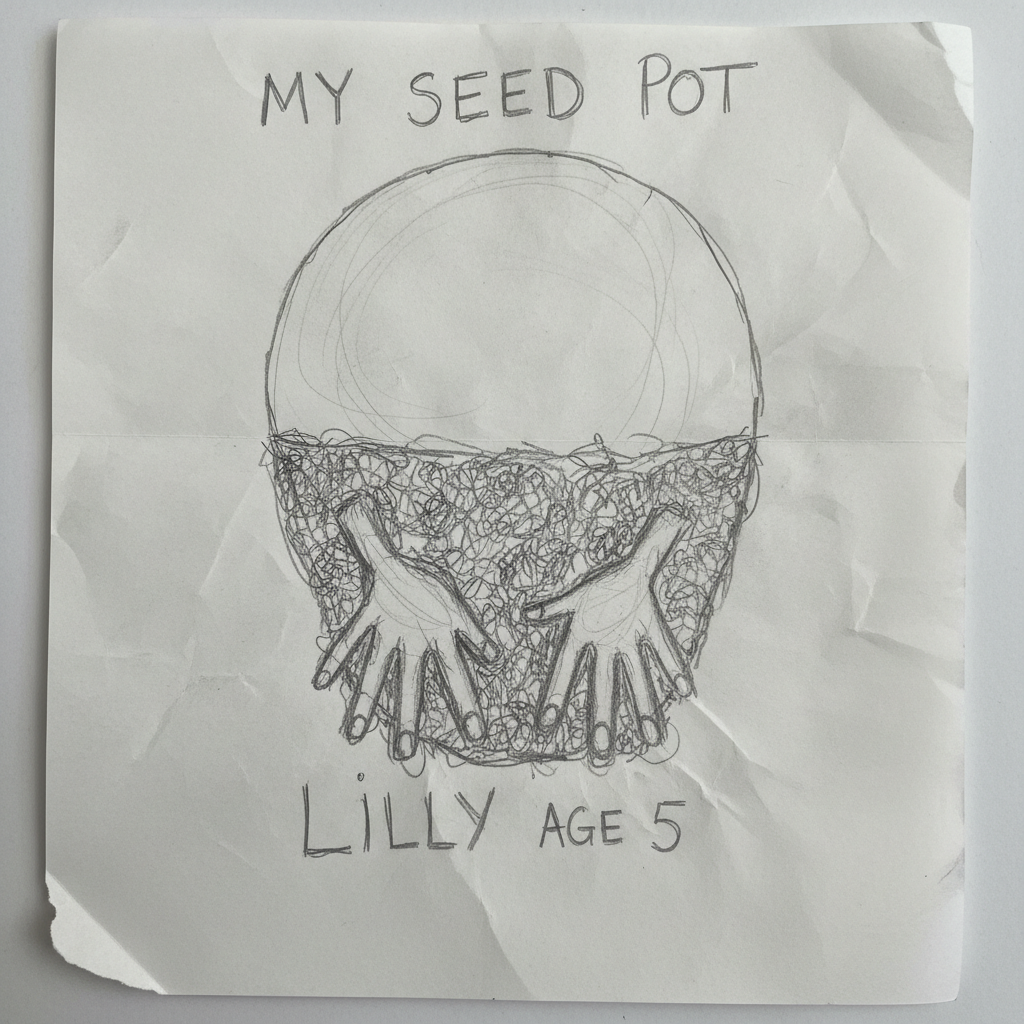
Marisol, Age 7 · 2024
Keep These Stories Speaking.
Docent receives no federal funding. Every oral history digitized, every field trip bused, every traveling crate packed — it happens because people like you decided the chorus should not go quiet.
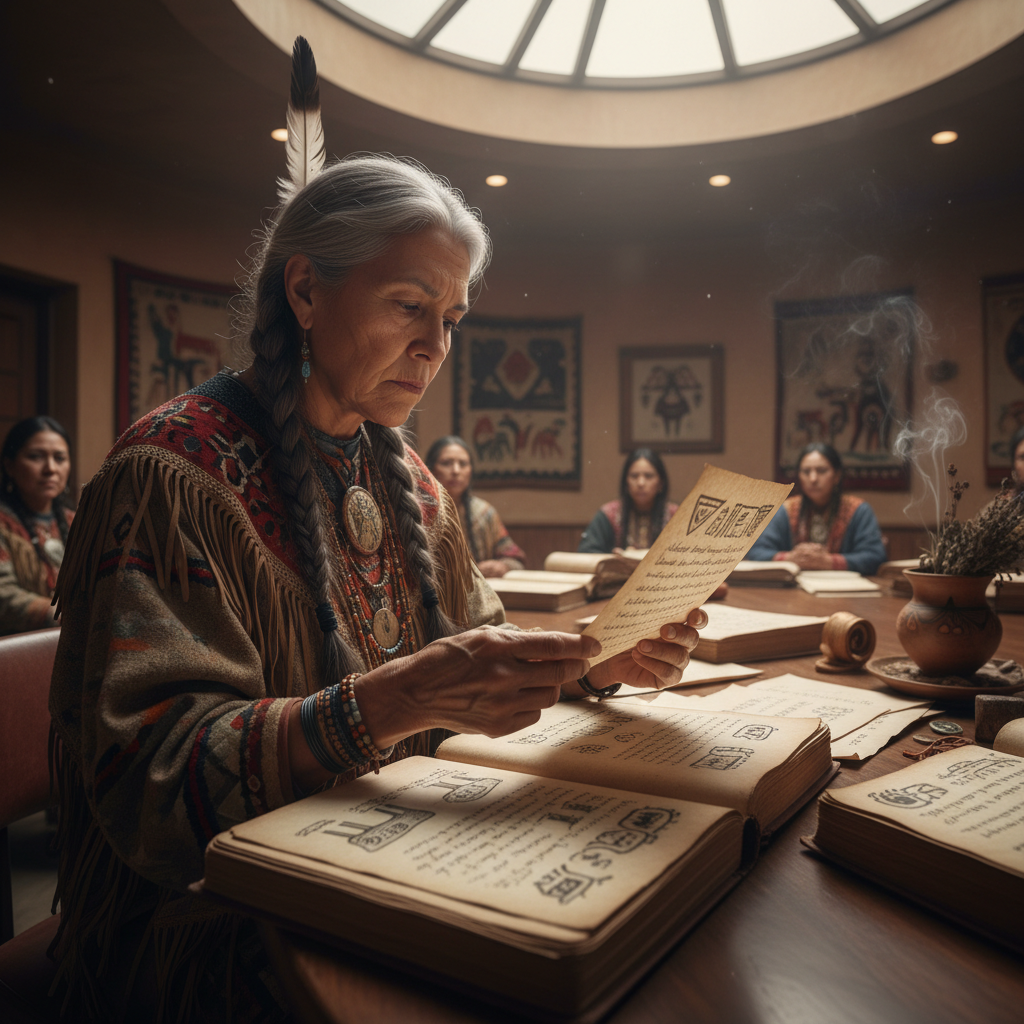
Councilwoman Delia Runningwater
Río Salado Tribal Council, Cultural Preservation Chair
Getting the words right, and the order right.
"A story told in the wrong order is not the same story. We spent three years working with Docent to make sure the descriptions use the words our grandmothers used — not the words on the university intake forms from 1962."
The Tribal Council reviews every new acquisition and every updated label. When a recording surfaces that contradicts the catalog, the catalog changes. When a family member recognizes a piece and knows its proper name, the plaque is reprinted. This is not a policy. It is a relationship.
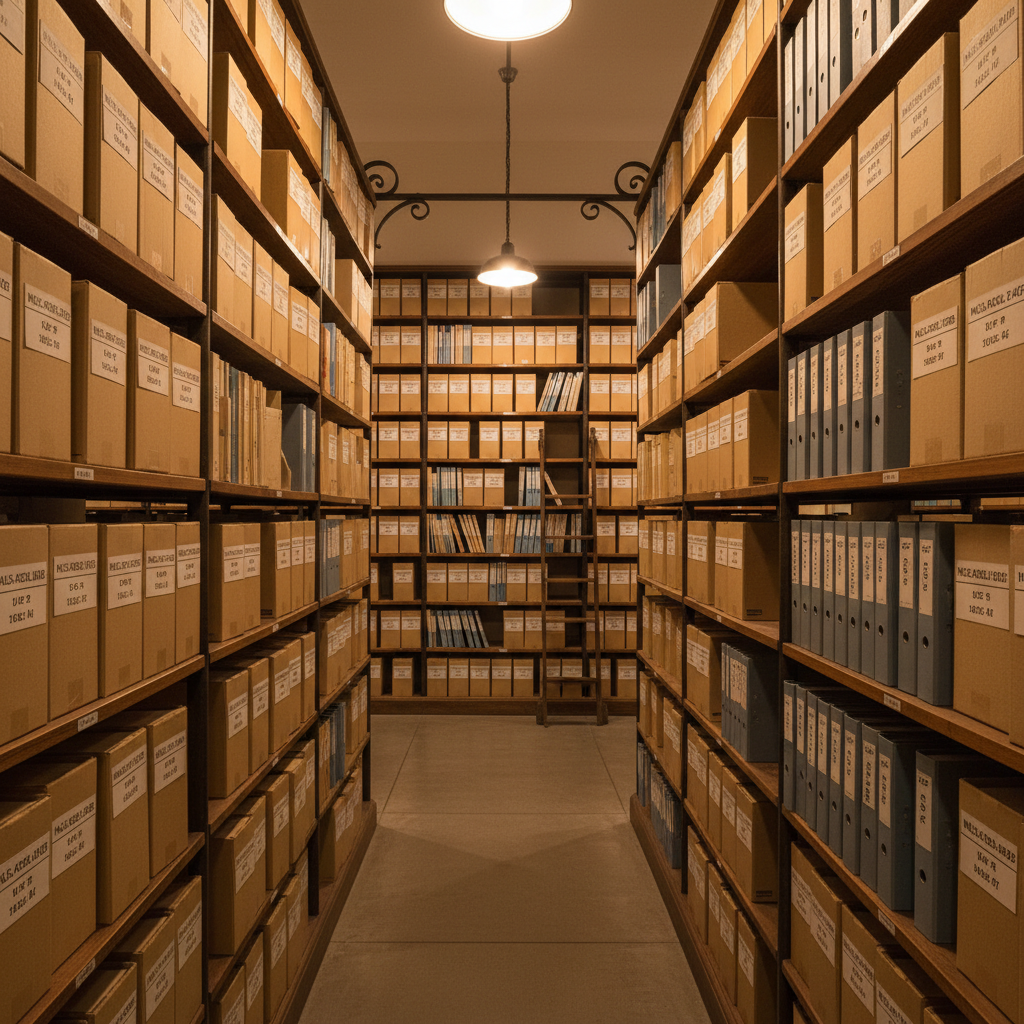
Ruth Ybarra
Collections Archivist, 31 years at Docent
The dust in the display case is two thousand years old.
"I don't clean the bottom of the cases. That sediment came in with the trade route objects in 1974. It is part of the record. You remove it, you remove the proof that these things traveled."
Ruth has cataloged 4,200 objects over three decades. She invented Docent's provenance notation system — a hybrid of standard museum practice and oral history cross-referencing that three other cultural centers have since adopted. She refuses to retire. "The objects know me," she says. "A new person would have to start over."